
Court marriage in Pakistan is a lawful civil procedure that allows consenting adults to solemnize their marriage through judicial channels rather than traditional family arrangements. It provides couples with immediate legal recognition, documentary proof of marriage, and enforceable rights under Pakistani law. Court marriage is increasingly preferred by couples seeking privacy, legal security, and protection against social or familial pressure.
Unlike traditional ceremonies that may lack legal registration, court marriage ensures that the marital bond is recorded under statutory law, enabling couples to access legal remedies related to maintenance, inheritance, custody, and marital protection.
Court marriage is governed by Pakistani family laws including the Muslim Family Laws Ordinance, 1961 and the Family Courts Act, 1964. It establishes a valid marital contract under statutory law, granting spouses full legal recognition. Once registered, the marriage becomes legally enforceable in Family Courts and recognized by NADRA and other government authorities.
This statutory recognition protects spouses in matters of inheritance, maintenance, child legitimacy, and legal documentation, providing legal certainty and social security.
Court marriage is available to adult Muslim men and women who freely consent to the marriage. Legal capacity, a sound mind, and the absence of prohibited relationships are required. Court marriage is commonly chosen by couples seeking privacy, avoiding inter-family disputes, delayed family consent, or those wishing to secure immediate legal documentation.
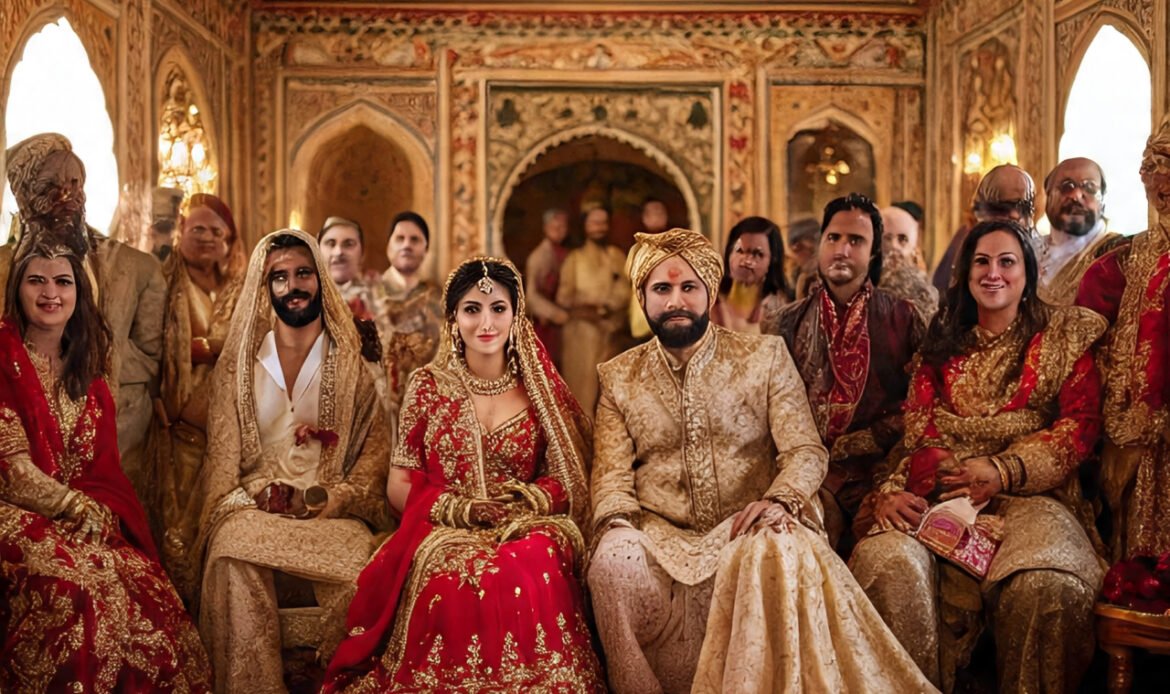

Couples prefer court marriage because it offers confidentiality, legal certainty, and protection of marital rights. It minimizes social interference, prevents false allegations, and ensures that marital documentation is lawfully recorded.
For a lawful court marriage, proper documentation is mandatory to establish identity, marital capacity, and legal eligibility of both parties. The primary documents include valid CNICs of the bride and groom, passport-sized photographs, and CNICs of adult witnesses. In cases involving divorce or widowhood, additional documentation, such as divorce decrees or death certificates, is required to confirm lawful marital status.
These documents form the legal foundation of the Nikah registration process and ensure that the marriage is recognized by Family Courts, Union Councils, and NADRA.
The Nikah Nama is the legal marriage contract that records consent, dower (Haq Mehr), witnesses, and contractual conditions. During a court marriage, the Nikah Nama is executed in the presence of authorized Nikah Khawan and witnesses. Once signed, it becomes a legally enforceable contract recognized by Pakistani courts.
Proper execution and registration of the Nikah Nama ensure legal enforceability in matters of maintenance, inheritance, and marital rights.
After the Nikah execution, registration with the relevant Union Council is essential. The Union Council records the marriage in official registers and issues a computerized marriage certificate. This certificate serves as primary documentary proof of marriage for all legal, civil, and administrative purposes.
NADRA records marital status based on Union Council registration. Court marriage allows couples to update their NADRA marital status, enabling issuance of Family Registration Certificates (FRC), passports, and other official documents reflecting married status.
This step ensures full integration of the marriage into Pakistan’s national identity system.
Once registered, a court marriage offers legal safeguards in the Family Courts. Spouses can lawfully seek maintenance, custody rights, and legal protection in cases of dispute, harassment, or denial of marital rights.
Court marriage in Pakistan follows a legally structured process to ensure validity and enforceability. The procedure begins with verification of CNICs, confirmation of free consent, and verification of marital status. An authorized Nikah Khawan conducts the Nikah by recording Ijab-o-Qabool in the presence of two competent witnesses. Haq Mehr is clearly stated, and both parties sign the Nikah Nama.
After execution, the Nikah Nama is submitted for Union Council registration. Once registered, a computerized marriage certificate is issued, completing the legal recognition process. This systematic procedure protects couples against future disputes and denial of marital rights.
Family Courts have exclusive jurisdiction over disputes arising from registered marriages. Court marriage ensures that spouses can approach Family Courts for maintenance, custody, dower recovery, restitution of conjugal rights, and dissolution of marriage. This jurisdiction provides legal protection against harassment, denial of rights, or unlawful separation.
Registered marriages provide documentary proof, making it easier to enforce rights through lawful court proceedings.
Court-married couples can seek legal remedies including maintenance claims, custody petitions, dower recovery, dowry recovery, and protection orders. These remedies are enforceable through Family Courts, providing judicial security.

A registered court marriage protects couples against false FIRs, unlawful detention, or social harassment. Documentary proof of marriage enables immediate legal defense and court relief.
Legal guidance ensures accurate documentation, lawful registration, and protection of marital rights. Professional legal support prevents procedural mistakes that can affect enforceability.
Overseas Pakistanis often face difficulties in managing marriage registration due to physical absence and procedural requirements. Court marriage offers a lawful and practical solution. Through power of attorney, one party may authorize a representative in Pakistan to complete documentation, registration, and NADRA updates. This ensures that overseas Pakistanis can solemnize and legally register their marriages without unnecessary travel delays, while maintaining full legal recognition under Pakistani law.
Court marriage provides a lawful mechanism for couples belonging to different faiths or facing social and familial resistance. Special legal documentation, declarations, and procedural safeguards are used to ensure that marriages are solemnized in accordance with applicable laws. This process protects couples from coercion, social pressure, and unlawful interference.
Pakistani law requires both parties to be adults of sound mind and free consent for valid court marriage. Verification of age and consent protects against forced marriages and unlawful unions.
Court marriage enables consenting adults to marry lawfully even where families oppose the union. Legal documentation and court registration ensure protection of marital rights.
Court marriage proceedings are conducted with privacy and confidentiality, protecting couples from social harassment.
Once a court marriage is lawfully registered, both spouses acquire full legal rights under Pakistani family law. These rights include lawful entitlement to maintenance, inheritance, custody of children, succession rights, and marital protection. Registered court marriage establishes legal kinship between spouses, ensuring recognition in courts, government departments, and administrative institutions. This legal standing becomes essential in financial matters, immigration documentation, and civil records.
Court marriage creates lawful succession rights between spouses. A legally registered marriage ensures that spouses are recognized as lawful heirs under Islamic and statutory succession laws. This prevents inheritance disputes and ensures the protection of financial rights after death.
Registered court marriage is recognized by NADRA, passport authorities, banks, and government departments. It allows spouses to update civil records, family registration certificates, and official documentation, providing social legitimacy.
Unregistered marriages often face difficulty in enforcement of rights. Court marriage ensures legal enforceability and prevents disputes related to denial of marital status.
Court marriage protects women’s rights by ensuring lawful documentation, enforceable maintenance, dower claims, and custody protection under Family Courts.
Many couples choose court marriage due to family opposition, tribal pressure, or social restrictions. In such cases, court marriage provides a lawful path to solemnize marriage while ensuring legal protection. Proper registration creates enforceable marital rights and allows couples to approach Family Courts for protection orders, maintenance, and legal security if harassment occurs. This process shields couples from unlawful interference and ensures recognition by NADRA and civil authorities.
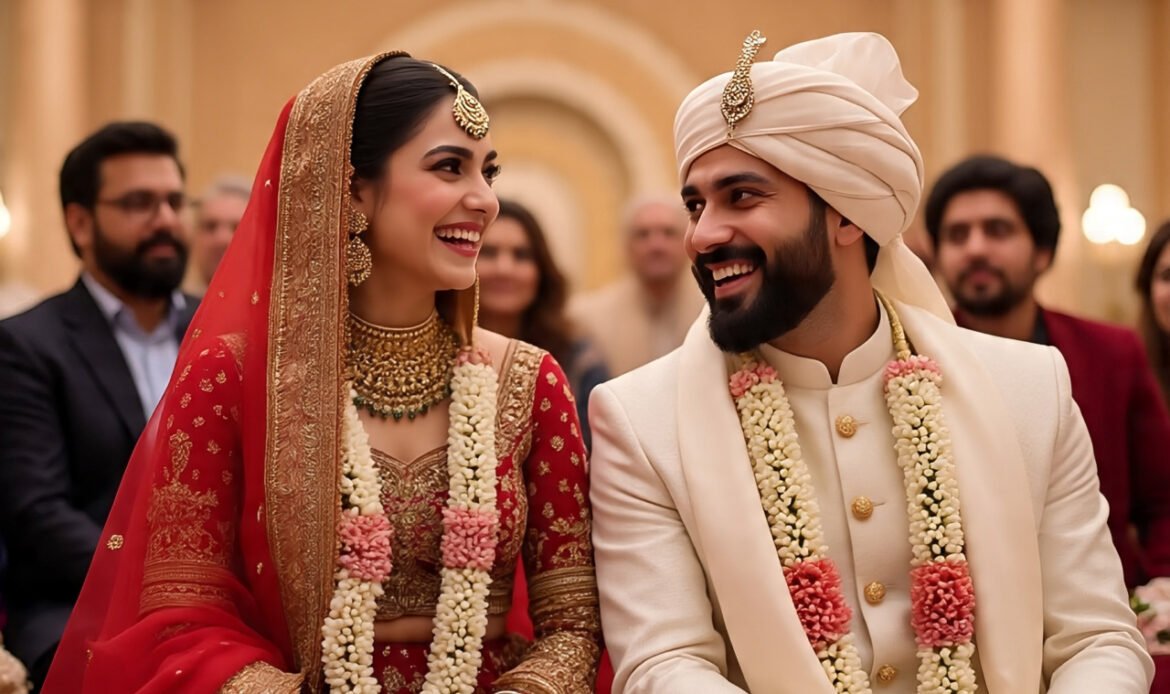
Love marriages and inter-caste marriages often face social challenges. Court marriage ensures privacy, lawful documentation, and immediate legal recognition, enabling couples to live together lawfully and update civil records without delay.
Divorced individuals opting for remarriage must provide divorce decrees. Court marriage ensures lawful remarriage and prevents disputes related to marital status.
Widows and widowers may lawfully remarry through court marriage by presenting death certificates of deceased spouses, ensuring lawful documentation and inheritance clarity.
Couples facing threats can seek legal protection through court marriage and Family Court petitions.
One of the most frequent causes of delay or rejection in court marriage cases is incomplete or incorrect documentation. Couples often present expired CNICs, mismatched personal details, or missing divorce and death certificates. These errors create legal complications, delay Union Council registration, and may prevent NADRA record updates. A properly supervised court marriage ensures that all documents are verified, consistent, and legally compliant before Nikah registration. Legal guidance helps avoid technical objections that could compromise enforceability of marital rights.
The Nikah Nama is not a mere formality — it is a legally binding contract. Poorly drafted Nikah Namas often omit conditions related to dower, delegated divorce rights, maintenance responsibilities, and dispute resolution clauses. Proper drafting ensures clarity of marital obligations and protects spouses in case of disputes. Legal advisors ensure that the Nikah Nama reflects lawful terms and safeguards both parties’ rights.
Court marriage procedures include verification of age, identity, and free consent, preventing forced and fraudulent marriages. Proper registration and witness verification provide legal security and protect personal liberty under Pakistani law.
Unregistered marriages frequently cause women to lose maintenance, dower and custody rights. Court marriage registration ensures enforceable legal protection under Family Courts.
Engaging legal professionals, ensuring complete documentation, proper registration, and NADRA updates are best practices that ensure lawful and secure marriages.
Among all marriage registration options, court marriage offers the highest level of legal security under Pakistani law. It creates immediate documentary proof, ensures NADRA recognition, and provides enforceable rights through Family Courts. Registered court marriage protects spouses against denial of marital status, false allegations, and unlawful interference, making it the most secure form of lawful union for couples seeking privacy and protection.
Although court marriage may appear simple, legal supervision is essential to prevent documentation errors, registration delays, and future disputes. Legal advisors ensure that all legal requirements are fulfilled, Nikah Nama clauses are properly drafted, and Union Council registration is completed without defects. This prevents future litigation and secures long-term marital rights.
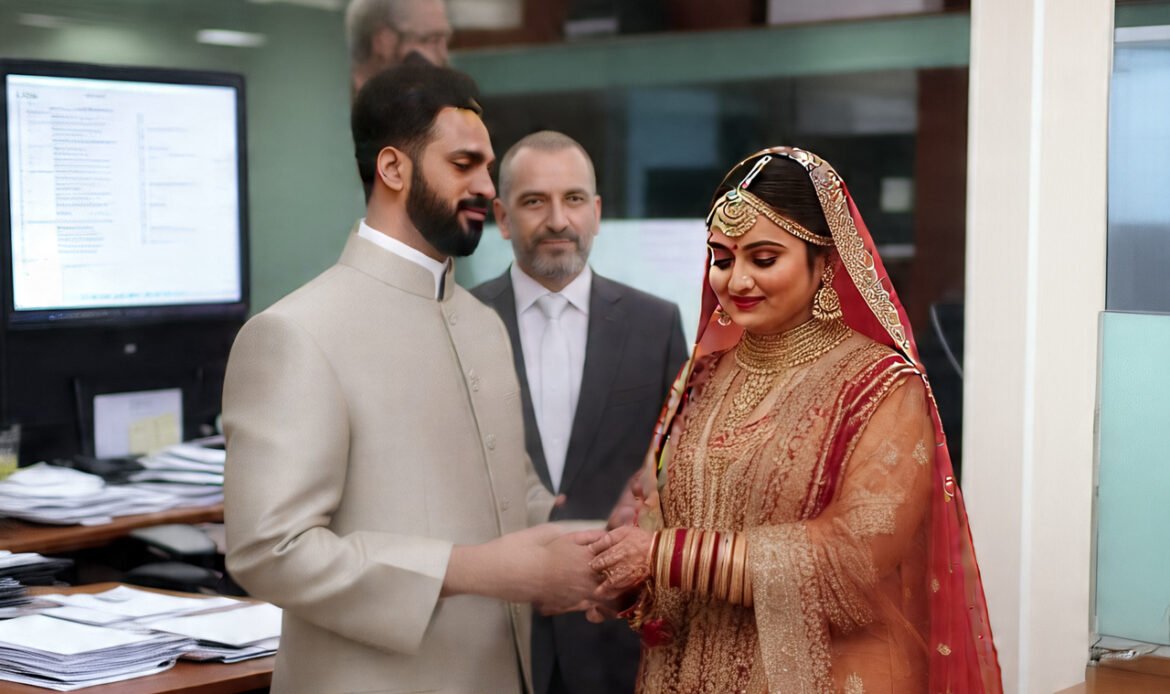

A court marriage not only registers the union but also provides a legal foundation for future claims relating to maintenance, custody, inheritance, and marital protection. Spouses can rely on Family Courts for lawful enforcement, ensuring financial and personal security.
Court marriage strengthens social stability by ensuring lawful recognition of relationships, protecting women’s rights, preventing forced marriages, and providing clear civil documentation. It helps reduce disputes, litigation, and administrative confusion by formalizing marital status under statutory law.
Couples considering court marriage should prioritize lawful documentation, confidentiality, and professional guidance. Taking the correct legal route from the beginning prevents future disputes and secures long-term marital protection.
Yes, court marriage is fully legal in Pakistan when conducted in accordance with the Muslim Family Laws Ordinance, 1961 and registered with the Union Council. Once registered, it becomes a legally enforceable marriage recognized by Family Courts, NADRA, and all government authorities.
Yes. Pakistani law allows adult individuals of sound mind to marry of their own free will. Family consent is not legally mandatory for a court marriage.
Valid CNICs of both parties, CNICs of witnesses, passport-size photographs, and marital status documents (if applicable) are required.
Court marriage can often be completed within one day if the documentation is complete.
Yes. Court marriage proceedings are conducted with privacy and confidentiality.
Yes. Through power of attorney, overseas Pakistanis can complete court marriage in Pakistan.
Yes. Legal documentation provides strong protection against false allegations and unlawful harassment.
Yes. NADRA updates marital status once Union Council registration is completed.
Yes, once properly registered, court marriage is legally recognized for immigration and foreign documentation purposes.
Yes. Women can lawfully file maintenance, custody and dower claims.
Yes. The Nikah Nama is the legal marriage contract.
Yes, subject to legal conditions.
Yes, subject to applicable laws.
Haq Mehr is the mandatory marital obligation recorded in the Nikah Nama.
Unregistered marriages face legal enforceability issues.
Legal guidance is highly recommended to ensure proper documentation and registration.
Yes. It ensures legal enforceability.
Yes. Registered marriage establishes lawful legitimacy of children.
Yes. It ensures free consent.
Yes.
Legal security, enforceable rights, and documentation.
Yes, court marriage is fully legal in Pakistan when conducted in accordance with the Muslim Family Laws Ordinance, 1961 and registered with the Union Council. Once registered, it becomes a legally enforceable marriage recognized by Family Courts, NADRA, and all government authorities.
Yes. Pakistani law allows adult individuals of sound mind to marry of their own free will. Family consent is not legally mandatory for a court marriage.
Valid CNICs of both parties, CNICs of witnesses, passport-size photographs, and marital status documents (if applicable) are required.
Court marriage can often be completed within one day if the documentation is complete.
Yes. Court marriage proceedings are conducted with privacy and confidentiality.
Yes. Through power of attorney, overseas Pakistanis can complete court marriage in Pakistan.
Yes. Legal documentation provides strong protection against false allegations and unlawful harassment.
Yes. NADRA updates marital status once Union Council registration is completed.
Yes, once properly registered, court marriage is legally recognized for immigration and foreign documentation purposes.
Yes. Women can lawfully file maintenance, custody and dower claims.
Yes. The Nikah Nama is the legal marriage contract.
Yes, subject to legal conditions.
Yes, subject to applicable laws.
Haq Mehr is the mandatory marital obligation recorded in the Nikah Nama.
Unregistered marriages face legal enforceability issues.
Legal guidance is highly recommended to ensure proper documentation and registration.
Yes. It ensures legal enforceability.
Yes. Registered marriage establishes the lawful legitimacy of children.
Yes. It ensures free consent.
Yes.
Legal security, enforceable rights, and documentation.
WhatsApp us